The Vermont 100 Lottery: A Deeper Dive!
Authored by:
Amy Rusiecki
VT100 Race Director
A lot of folks reach out to ask about the the Vermont 100 lottery, because it adds anxiety and uncertainty to the registration process. And we get it! However, prior to instituting the lottery process, the race filled up faster and faster each year, to the point where it was becoming full in under 10 minutes from when it opened. We imagine that also added anxiety and we believe the more recent lottery system is more fair! So here’s what you need to know about it.
Below are a few FAQs that folks often ask about the VT100 lottery process:
Why host a lottery for registration?
When I first registered for the Vermont 100 (2009), I signed up in February and my boyfriend (now husband!) signed up in May. The race didn’t fill that year. Flash forward a few years—the race filled in 1 month in 2012; in 36 hours in 2013; and in 80 minutes in 2014. The lottery was instituted for the 2019 race, in response to the increasingly short window for the race to fill.
In essence, the race was filling so fast that it almost felt like a lottery of whether your registration page refreshed quickly enough, or if your fingers could type your info faster than others. And due to the speed that things filled, folks were also making multiple errors on the registration or submitting incomplete info since they were rushed to complete registration prior to the race filling.
Therefore, converting registration to the lottery felt like a way to allow folks to enter the correct info in a more relaxed fashion, and to remove the impact of internet speed and typing speed/accuracy from the mix.
What are the odds of the lottery?
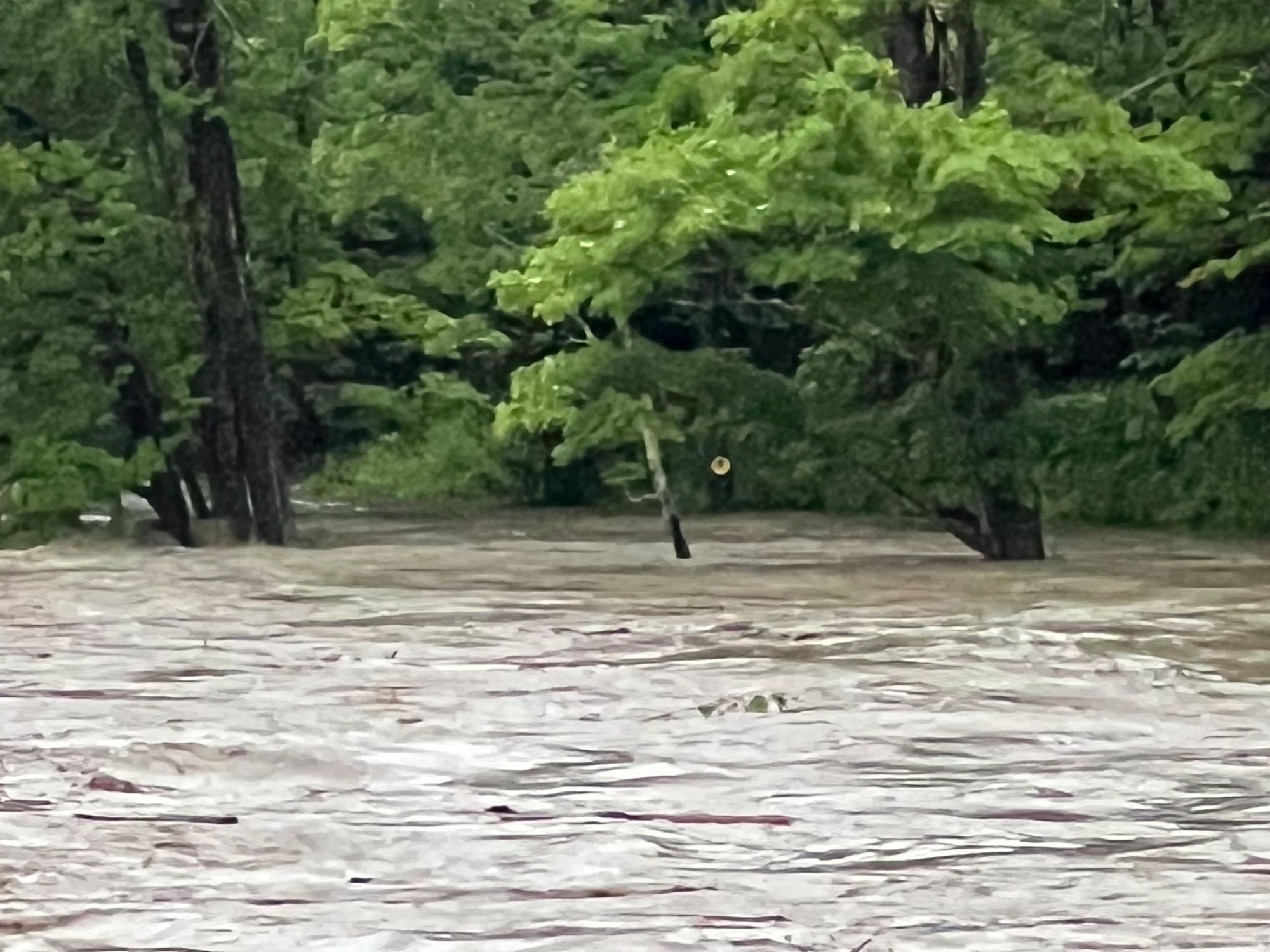
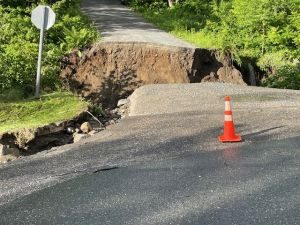
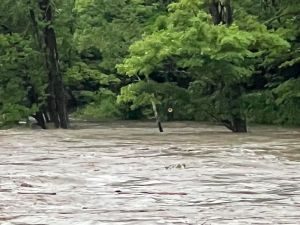
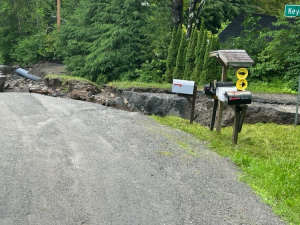
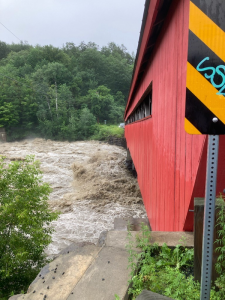
Well—that’s hard to say since we don’t truly know until the lottery registration is closed. While we could rely on the historical numbers of the lottery, it’s complicated by race cancellations in 2020 and 2021 (COVID) and 2023 (historic flooding of the region a few days prior to the event). For the years that the event was cancelled, registrations were rolled into the following year’s event—which impacts the number of spots available during the lottery.
Why is this history important? Because it means that we don’t have enough years’ worth of data for a ‘typical year’ (i.e. without rollovers) to have a reliable number to tell y’all for the lottery odds.
What numbers can you share?
There are three ways that folks can gain entry into the race: early registration, Team Run 2 Empower, and the lottery.
In a typical year, we email between 100-150 early registration invitations—per the criteria shared on the race website (Race Entry – Vermont 100 Endurance Race). Of that, approximately half of the spots are accepted. [In 2026, 117 early registration invites were sent and 55 early registrations accepted.]
For the Team Run 2 Empower, we hold up to 50 spots for Team members and folks are accepted onto the Team on a rolling basis. Typically 20-30 spots are filled prior to the lottery. [In 2026, there are currently 31 Team Run 2 Empower members signed up.]
Therefore, on a typical year, approximately 100 spots are filled prior to the lottery through early reg and Team members. That means that roughly the first 350 names pulled in the lottery will gain entry into this year’s race. [In 2026, we currently have 364 spots available for the lottery.]
We can share that typically the odds in the Vermont 100 lottery are much better than many other races. We’re talking on the order of 50-65% of runners who throw their names into the lottery will typically be selected for the race. In every year since we started the lottery, 100% of the runners who were involved in the lottery (even if they were selected for the waitlist) were ultimately offered a position in the race if they are patient on the waitlist.
Is there special consideration for Grand Slam hopefuls?
Unfortunately—nope! It’s a long story, but the Vermont 100 does not offer early or guaranteed entries for folks who are hoping to complete the Grand Slam. We suggest that you enter the lottery and that you’re patient if you’re selected for the waitlist!
Does the waitlist typically move?
YES! The waitlist always moves, but much of the movement is in June and July. In the past decade, the entire waitlist (even folks who sign up for the waitlist only a few weeks before the event) is typically cleared by race day – but that’s obviously no guarantee.
We do intend to fill every spot in the race—therefore if a bib is available we will pull folks from the waitlist up until race day.
I hope this answers the most pressing questions—but let us know if you have more questions!
– Amy


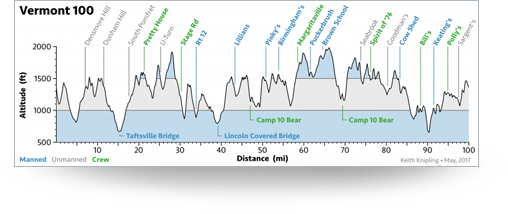
 mile. For the Pretty House aid station at mile 21.1, multiply 16.8 min. x 21.1 mi. = 354 min. divided by 60 min./hr. = 5.91 hrs. or 5:54. Since the race starts at 4:00 a.m., you’ll get to Pretty House at about 9:54 a.m. You can do the same for any aid station, and I suggest especially for those you’ll be reaching in the evening, in order to figure where to place your night gear so that you have it at least a half hour before the sun sets at 8:25pm. When I have a crew, I make a table of expected arrival time at aid stations where they’ll be meeting me, based on a range of finish times. I might choose 26 hrs., 28 hrs. & 30 hrs. I’d do the first one for Pretty House, since that’s the first place that my crew can meet me. If I arrive at 9:45, we can all see that I’m just a bit ahead of a 28 hour finish pace, so they should plan on meeting me at Stage Road, the next Handler Station, about 20 minutes earlier than what the sheet says for 28 hour pace. As the day goes on, you and they can develop a good feel for what kind of pace you’re maintaining.
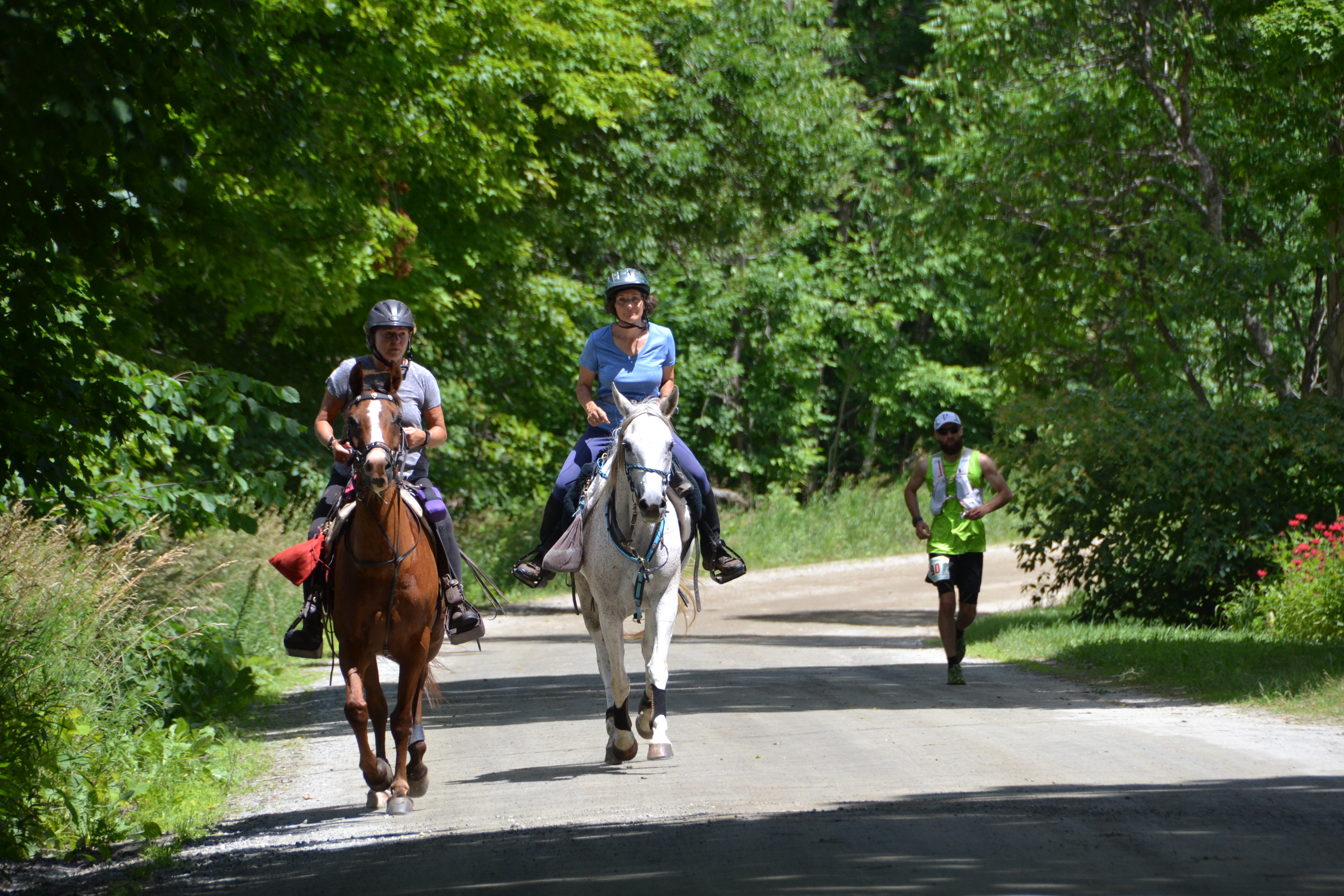
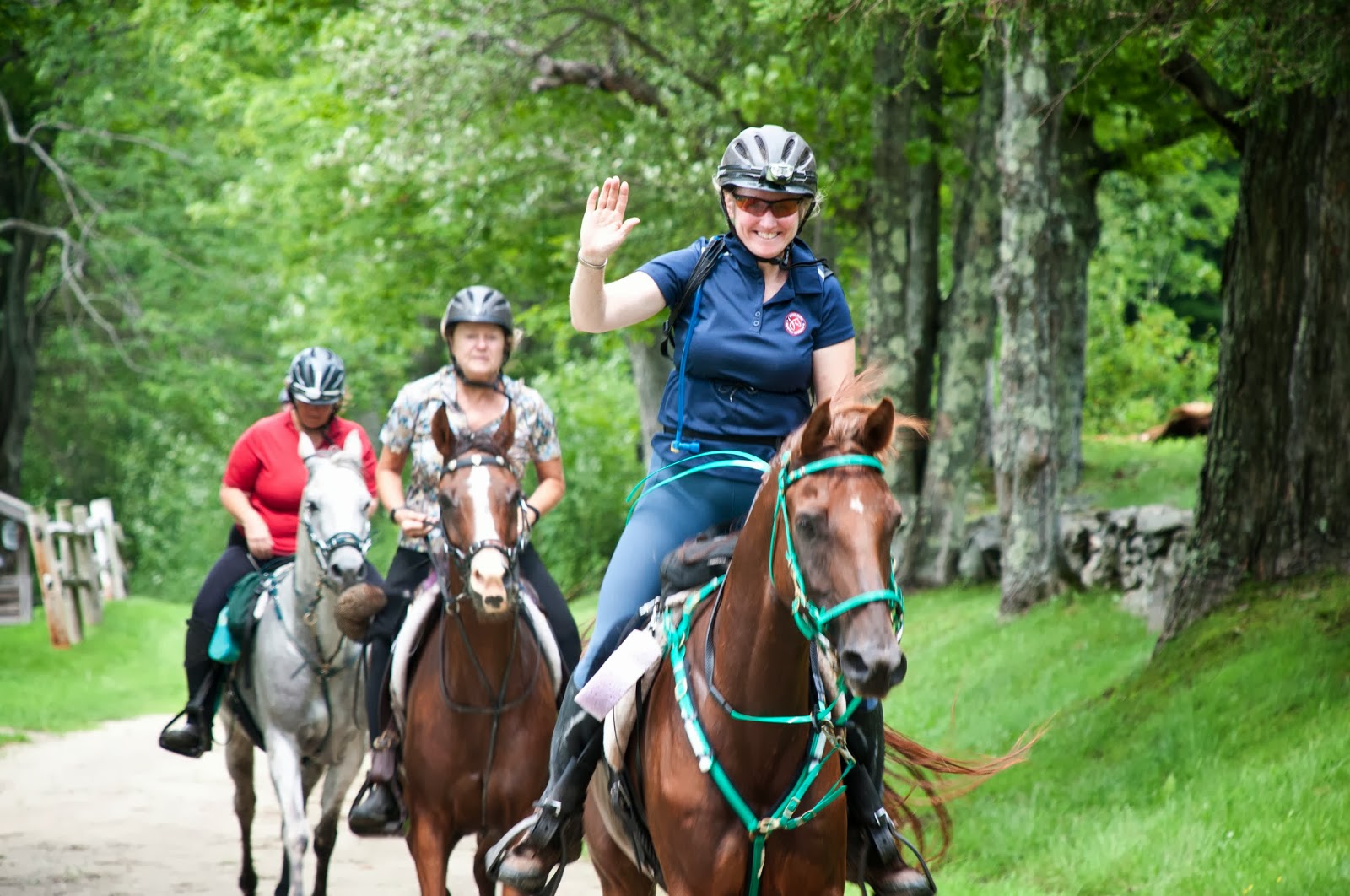 provided some distraction and made the event that much more special.Will they run over you? The answer is no. On the contrary, they want to slow down to your pace, though their riders may not like it.Horses love people and really ‘respect’ humans who run. (In most instances their owners don’t run) On running with horses, there’s one simple word to keep in mind: Communicate. When a horse can’t see you (i.e. you coming up from behind or at night), it doesn’t know you’re a person until you say something. Then, the steed immediately calms down. This is doubly important after dark, when the horse senses your presence well before the rider does. Regardless of the time of day, start chatting with the rider as soon as you’re within voice range. You’ll find that the riders are most friendly, and basically in awe of you because you’re doing 100 miles ON FOOT! If they want to pass you on the road, they’ll say so. If you want to pass them, usually on a trail section where they’re moving slowly and carefully, converse with the rider and ask if you can pass. They’ll tell you when you can do so
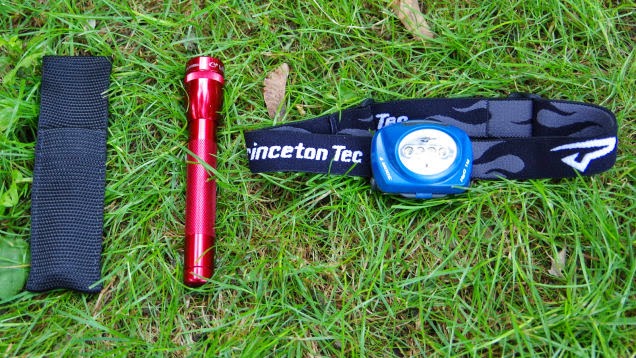 and includes some trail miles. It’s a small price to pay to ensure that you don’t trip early and mess up the whole race. Trying to ‘parasite’ off of others’ lights is inviting trouble. If you wear a headlamp, and plan on keeping it, keep in mind that the first place you can stash it isn’t until Pretty House at 21.1 miles.
 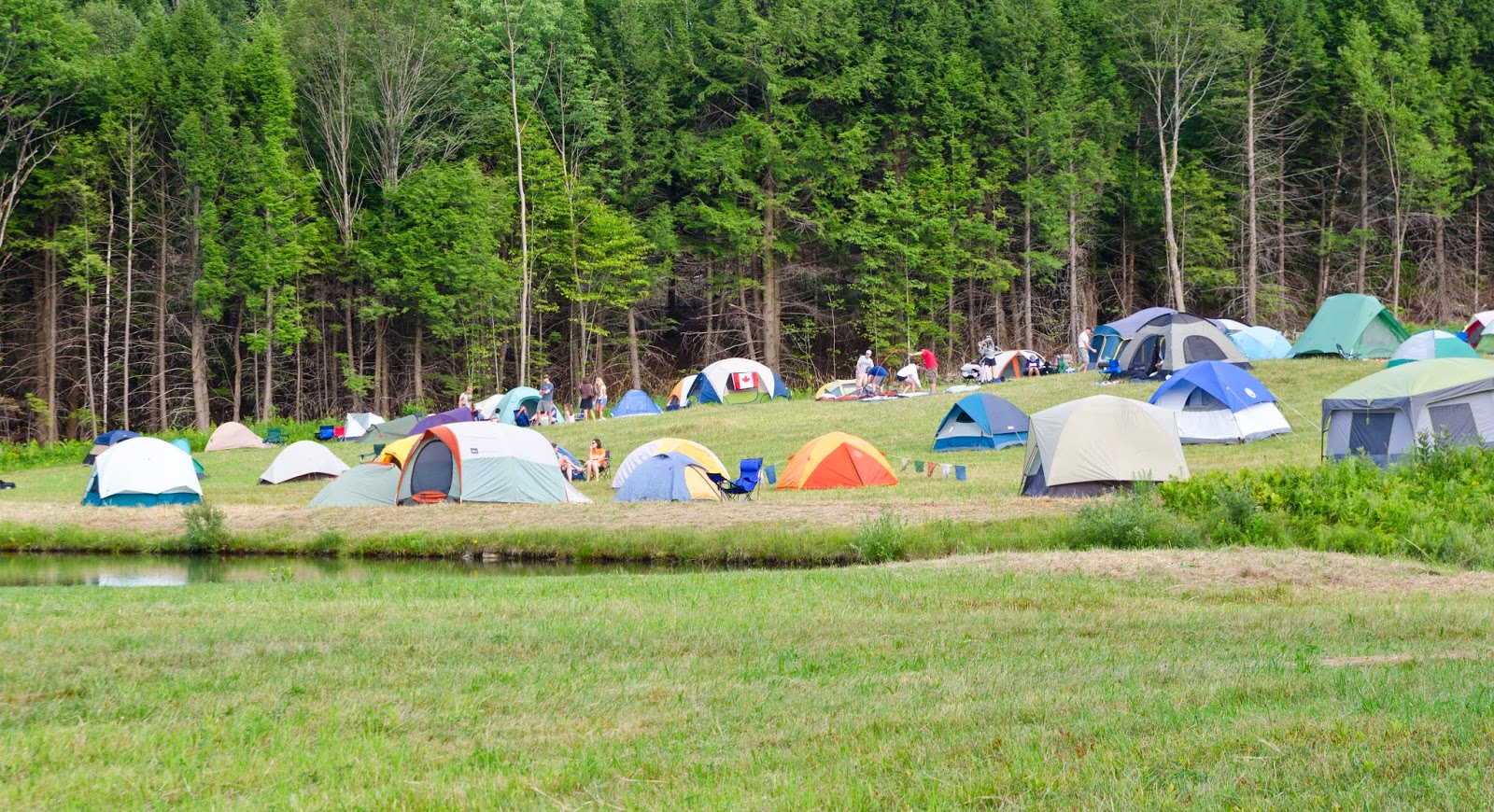 Pin your bib on now, because that’s one of the most nerve-racking tasks if you wait until the morning just before you run. I suggest on your shorts, rather than your shirt, because you’re less likely to be changing shorts, and may be wearing a second layer on top when and if it gets cool. You may not sleep well, or much at all or for many hours (The 4:00 a.m. start means getting up rather early, the 100k start at 9am can seem early to some), but do your best to relax and remember that it’s the rest you got on Wednesday and Thursday nights that’s much more important. Even if you hardly sleep (that happened to me one time), just relax and know that your body is getting rest from the fact that you’re reclining.
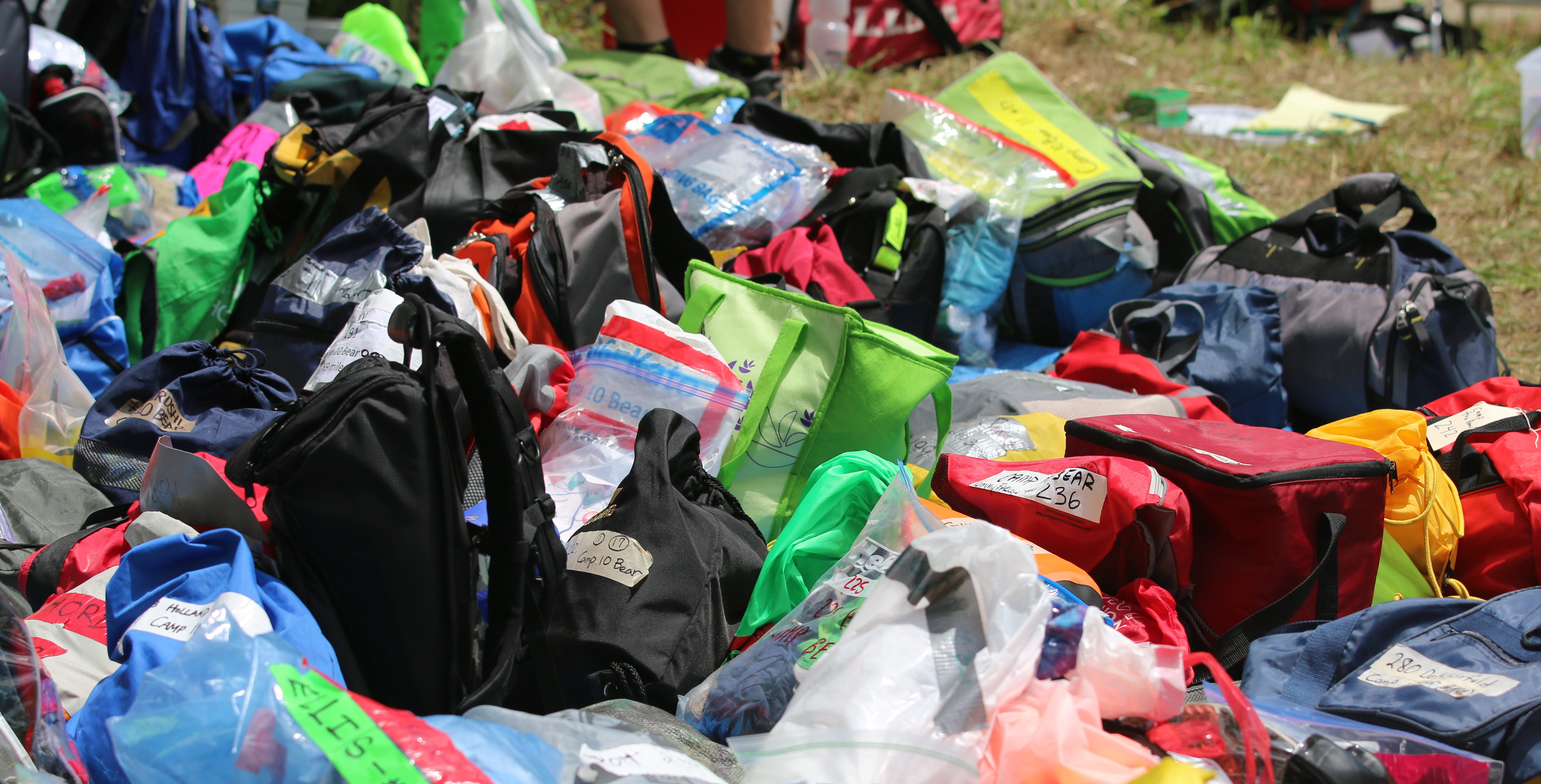
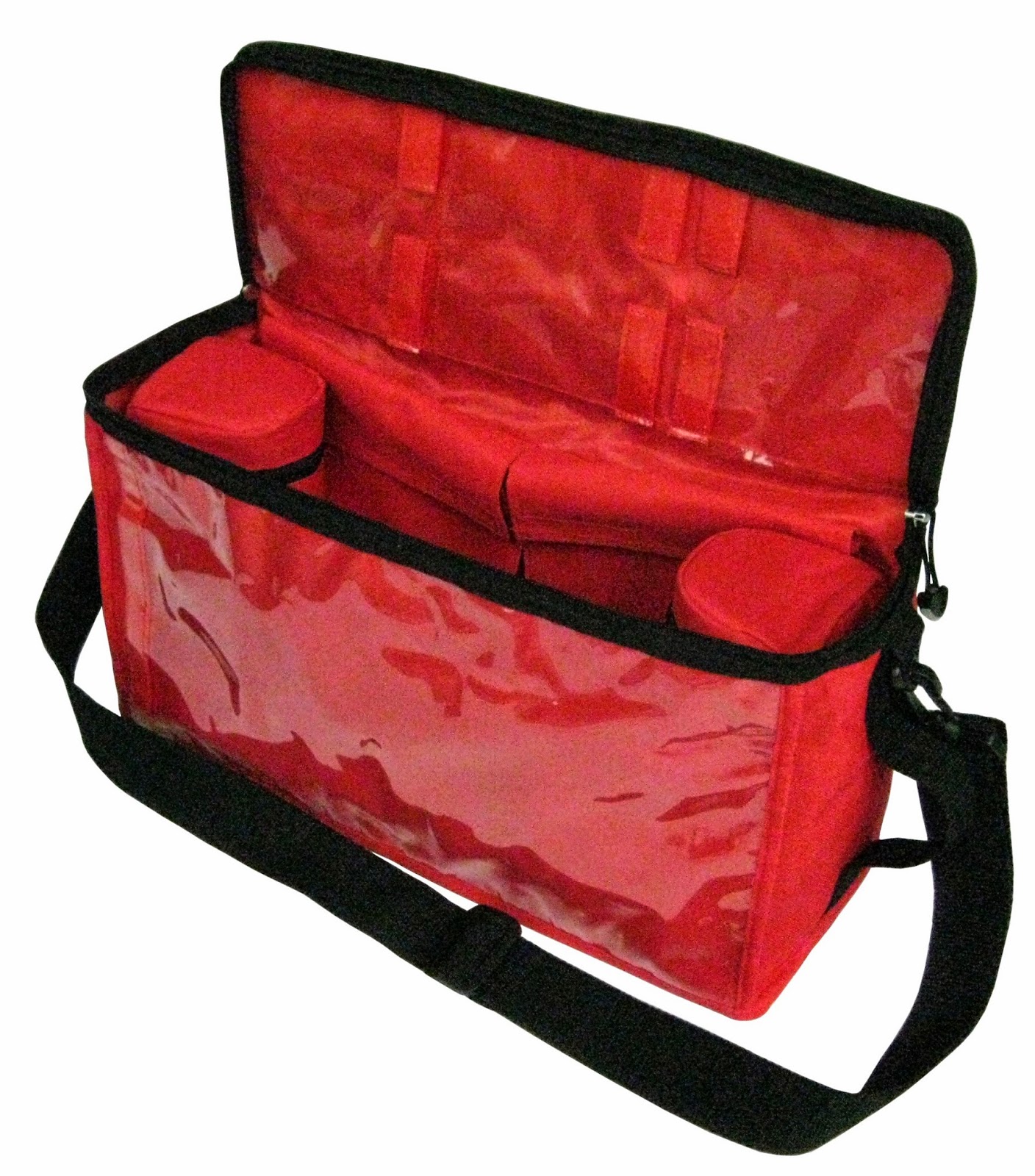
 At the end of the day, The Vermont 100 is not responsible for lost, stolen or damaged bags or belongings.